Compare Local Contractors for Reliable Plumbing Line Repairs
Compare local contractors for plumbing line repair to define scope, verify experience, and set clear expectations for a successful project.
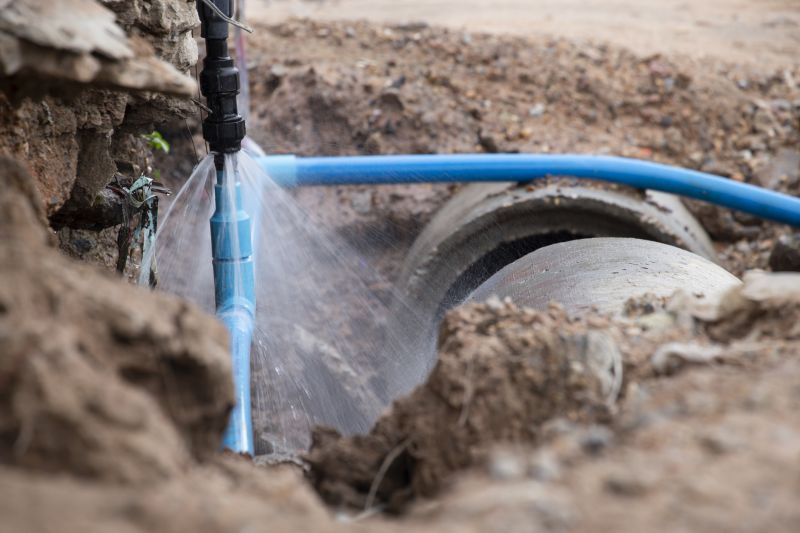
Plumbing line repair services typically encompass a range of tasks aimed at restoring or replacing damaged or aging water and sewer lines within a property. This work may involve diagnosing issues such as leaks, blockages, or corrosion, and then performing repairs or complete replacements of pipes to ensure proper function. Depending on the situation, repairs can range from patching minor leaks to replacing entire sections of underground or hidden piping, often requiring specialized tools and techniques to access difficult areas without causing unnecessary disruption.
Defining the scope of a plumbing line repair project is an essential step for property owners, as it helps establish clear expectations and ensures that all necessary work is identified upfront. A well-defined scope includes details about the extent of the repairs, the types of materials to be used, and any specific challenges that might influence the work, such as accessibility issues or existing infrastructure. Clarifying these elements in writing can prevent misunderstandings, facilitate more accurate communication with service providers, and support informed decision-making throughout the project.
When comparing local contractors for plumbing line repair, property owners should consider factors such as experience with similar projects, reputation within the community, and the methods used to approach repairs. It’s helpful to inquire about the contractor’s familiarity with the type of piping involved and their approach to diagnosing issues accurately. Additionally, reviewing how each service provider handles project scope and documentation can reveal their professionalism and commitment to transparency. Gathering detailed information about their process and verifying their background can assist in selecting a contractor capable of meeting the specific needs of the property.
Compare local contractors by outlining project priorities, verifying experience, and clearly defining expectations in writing.
- Compare Contractor Experience - review the background and expertise of local contractors to ensure they can handle plumbing line repairs effectively.
- Define Scope Clearly - specify the work needed to help contractors provide accurate assessments and avoid misunderstandings.
- Verify Credentials and References - check references and past work to assess the reliability and quality of local service providers.
- Document Expectations in Writing - establish detailed agreements with contractors to clarify the scope, responsibilities, and project details.
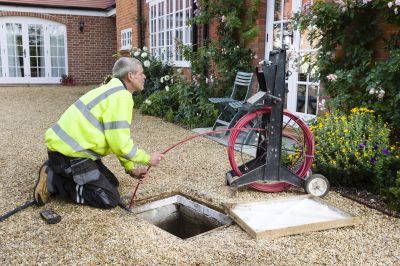
Clearly describe your plumbing repair project to help local contractors compare options and set clear expectations.
- Verify experience and references of local contractors handling plumbing line repairs. - Ensuring the contractor has relevant experience helps confirm their ability to manage the specific repair needs.
- Define the scope of work clearly in writing to avoid misunderstandings during the project. - A detailed scope helps set expectations and provides a reference for the completed work.
- Compare multiple local contractors to assess their approaches and communication styles. - Comparing options allows for better understanding of different methods and service quality.
- Check that the contractor provides a detailed written estimate outlining the repair process and materials. - Clear documentation of the plan and materials used helps prevent surprises later.
- Discuss the warranty or guarantee policies offered by local service providers for plumbing repairs. - Understanding warranty terms supports confidence in the durability of the repair.
- Ensure all work expectations, including scope and materials, are documented before work begins. - Proper documentation helps protect both parties and ensures clarity throughout the project.
Compare local contractors' experience and clarify project scope to ensure effective plumbing line repairs.

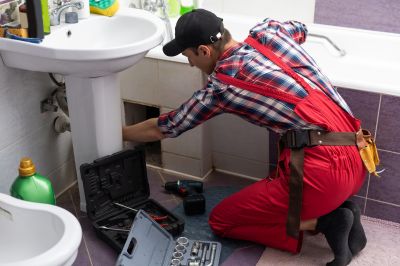
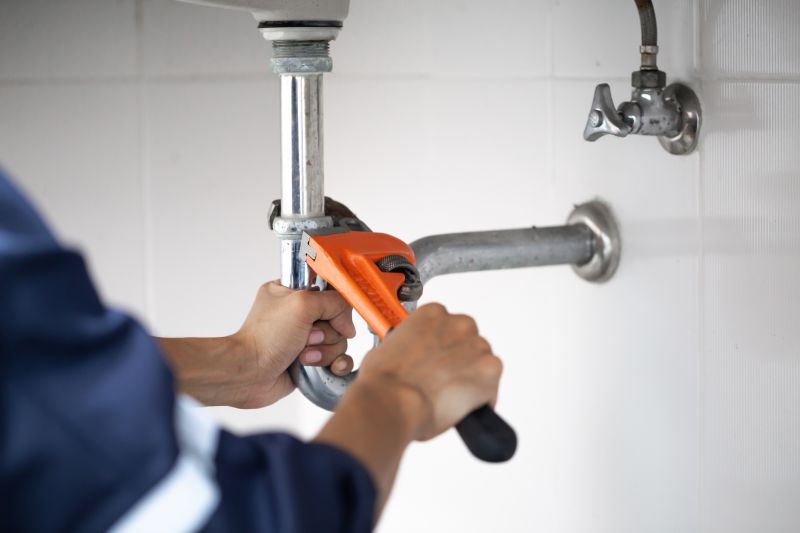
Use consistent comparison criteria across local contractors to clearly define scope, verify experience, and set written expectations.
- Scope Definition - Clearly outline the specific plumbing line repair tasks needed, including the affected areas and desired outcomes.
- Material Specifications - Identify the types of materials and fixtures that should be used or compatible with the existing plumbing system.
- Experience and Expertise - Verify that service providers have relevant experience with plumbing line repairs similar to the scope defined.
- Work Approach - Describe the preferred methods or techniques for performing the repair, ensuring they align with the scope and existing plumbing setup.
- Documentation and Expectations - Ensure that all work details, scope, and responsibilities are documented in writing to facilitate clear understanding and accountability.
When comparing contractors for plumbing line repair, it is essential to assess their experience with similar projects. Homeowners should inquire about the types of repairs they have performed in the past, particularly those involving the specific issues faced in the current situation. Contractors with a proven track record of handling comparable repairs are more likely to understand the complexities involved and deliver reliable results. Gathering information about their previous work can help establish confidence that they are familiar with the challenges and best practices associated with plumbing line repairs.
A clear, written scope of work is a critical component when evaluating service providers. Homeowners should seek detailed descriptions of what the repair entails, including the methods to be used, the materials involved, and the steps the contractor plans to take. A well-defined scope helps prevent misunderstandings and sets clear expectations for the project. It also provides a basis for comparing different contractors’ approaches, ensuring that everyone is on the same page regarding the work to be performed.
Verification basics are important to consider when selecting a plumbing contractor. While licensing and certification are not the focus here, homeowners should verify that the contractor is properly insured and has a good reputation within the community. Checking references or reviews can provide insight into the contractor’s reliability and quality of work. Additionally, confirming that the contractor adheres to local codes and standards can help ensure that the repair is performed correctly and safely.
Evaluating options without discussing prices involves focusing on the quality and suitability of each contractor’s proposal. Homeowners should compare the experience, scope of work, and verification details provided by different service providers. Asking for written descriptions of the project and the approach each contractor intends to take can reveal differences in professionalism and thoroughness. By concentrating on the quality of the proposal and the contractor’s expertise, homeowners can make informed decisions that align with their expectations for a successful plumbing line repair.
Ask contractors to provide written scope of work to ensure clear expectations and consistent project understanding.
- Experience and References - What specific experience do local contractors have with plumbing line repairs similar to the scope of your project?
- Scope of Work - How do local service providers define and document the scope of plumbing line repair work to ensure clarity?
- Materials and Methods - What materials and repair methods do local contractors typically recommend for plumbing line issues?
- Warranty and Guarantees - Do local service providers offer warranties or guarantees on their plumbing line repair work, and what do they cover?
- Communication and Expectations - How do local contractors clarify project expectations and ensure all details are documented before beginning work?
How can I compare plumbing contractors for line repairs? To compare contractors, review their experience, verify their scope of work, and examine references or reviews. Ensuring clarity in these areas helps identify the best fit for the project.
What should I consider when defining the scope of plumbing line repair? Clearly outline what parts of the plumbing need work, including pipe types, locations, and any specific issues. A detailed scope helps avoid misunderstandings and sets clear expectations.
How can I verify a contractor’s experience with plumbing line repairs? Ask for details about their previous projects, years of experience, and any specialized knowledge related to the specific repair needed. This information helps gauge their expertise.
Why is it important to put the project scope and expectations in writing? Having the scope and expectations documented ensures both parties agree on the work to be done, reducing the risk of misunderstandings and providing a reference if issues arise.
What questions should I ask contractors during the comparison process? Inquire about their experience with similar repairs, the methods they recommend, and how they handle unexpected issues. Well-informed questions help in assessing their suitability.
How can I ensure a plumbing contractor understands my repair needs? Clearly communicate the issues, ask for their input, and request a detailed written plan. Open dialogue helps confirm they understand the scope and can meet expectations.
This page has provided an overview of what to consider when selecting contractors for plumbing line repair. Visitors have learned how to define the scope of work, verify experience, and set clear expectations in writing to help ensure the project aligns with their needs. Comparing different service providers can help identify the options that best match the specific requirements of the repair job.
To explore local contractors capable of handling plumbing line repairs, use the quote form to compare available service providers. This process can help find experienced professionals in the area who can provide the services needed, making it easier to make an informed choice based on your project’s details.